Gold Ring: How to Choose, Calculate Value, and Check Purity
A gold ring is more than a piece of jewelry. It can represent a wedding, engagement, family tradition, personal style, or a long-term store of value. Whether you are buying a simple gold band or an intricate ring with gemstones, understanding gold purity, weight, design, and pricing can help you make a smarter purchase.
Gold rings are available in different karats, colors, styles, and weights. Their prices can also vary significantly depending on the amount of pure gold they contain and the additional costs charged by the jeweler.
Before buying or selling a ring, you can use GoldCalculator.live to better understand gold prices and estimate the value of your gold based on its weight and purity.
What Is a Gold Ring?
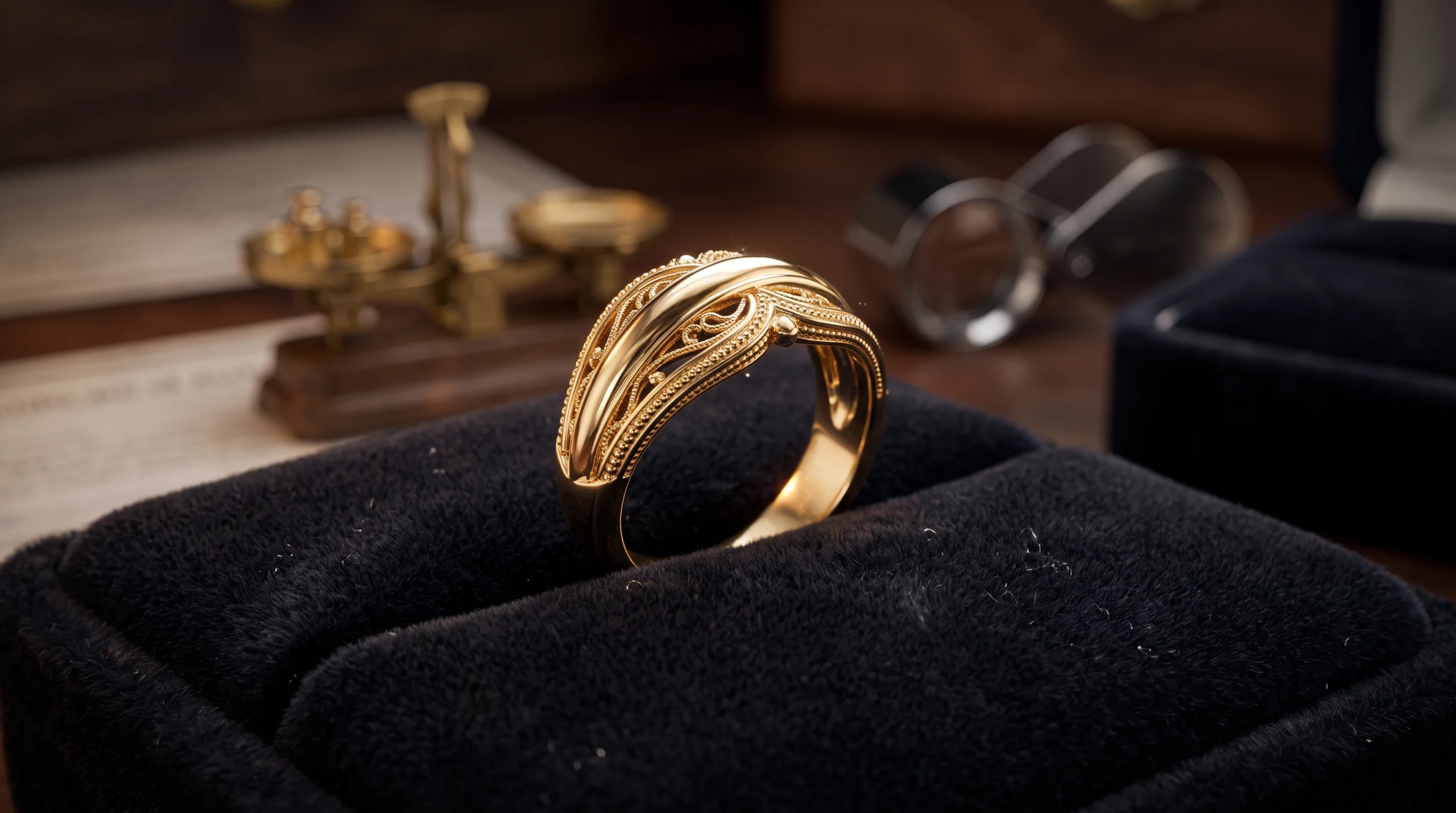
A gold ring is a ring made from gold, usually combined with other metals to make the material stronger and more suitable for everyday wear. Pure 24K gold is relatively soft, so jewelry manufacturers commonly mix gold with metals such as silver, copper, zinc, or palladium.
The percentage of gold depends on the karat. For example, 24K represents nearly pure gold, while 18K contains 75% gold. According to the World Gold Council, 22K gold contains approximately 91.7% gold, while 14K gold contains about 58.3%.
This means that two rings that look almost identical can have very different gold values.
Gold Ring Purity Explained
One of the first things to check when buying a gold ring is its purity. Gold purity is commonly expressed using karats or fineness numbers.
Here are some common examples:
- 24K: approximately 99.9% pure gold
- 22K: approximately 91.7% gold
- 21K: approximately 87.5% gold
- 18K: 75% gold
- 14K: approximately 58.3% gold
- 10K: approximately 41.7% gold
The higher the karat, the greater the proportion of gold in the ring. However, higher purity does not automatically mean a ring is better for every purpose. Lower-karat gold can be harder and more suitable for jewelry that receives frequent wear.
For example, an engagement ring worn every day may benefit from a balance between gold content and durability, while someone interested primarily in high gold content may prefer 21K or 22K jewelry.
How to Read a Gold Ring Hallmark
Many gold rings contain a small stamp or hallmark showing their purity. You may find markings such as 999, 916, 875, 750, or 585, depending on the purity system used.
For example:
- 999 ≈ 24K
- 916 ≈ 22K
- 875 ≈ 21K
- 750 = 18K
- 585 ≈ 14K
Hallmarks can also contain information about the manufacturer, assay office, or certification system. The exact requirements vary by country. The World Gold Council explains that hallmarking systems are designed to communicate information such as gold fineness and, in some markets, the organization responsible for testing or certification.
A hallmark is useful, but buyers should still purchase from reputable sellers and ask for documentation when appropriate.
Different Types of Gold Rings
Gold rings are available in several colors and styles. The color usually depends on the other metals mixed with the gold.
Yellow Gold Rings
Yellow gold is the traditional choice and remains one of the most recognizable forms of gold jewelry. Its warm color comes from the natural appearance of gold combined with specific alloy metals.
Yellow gold works well for classic wedding bands, traditional rings, and everyday jewelry.
White Gold Rings
White gold is created by combining gold with white metals. It may also receive a rhodium coating that gives it a bright, reflective appearance.
White gold is popular for engagement rings because its neutral appearance pairs well with diamonds and other gemstones.

Rose Gold Rings
Rose gold has a pink or reddish appearance because of the copper used in the alloy. It offers a softer and more distinctive look compared with traditional yellow gold.
Rose gold can be a good choice for buyers who want something modern while still choosing a genuine gold alloy.
How Is a Gold Ring’s Value Calculated?
The value of a gold ring depends on several factors, but the basic calculation begins with weight, purity, and the current gold price.
A simplified calculation is:
Gold value = Ring weight × Gold purity × Gold price per gram
For example, suppose a ring weighs 10 grams and is 18K gold.
18K gold is 75% pure, so:
10 grams × 75% = 7.5 grams of pure gold
You can then multiply the 7.5 grams of pure gold by the current price per gram to estimate the ring’s gold value.
However, the final retail price can be higher because jewelry prices may include craftsmanship, design, gemstones, retailer margins, taxes, and other charges.
For a more detailed calculation, check the current information available through GoldCalculator.live before making a buying or selling decision.
Gold Ring Weight Matters
Weight is another important factor when estimating a ring’s value. A heavier ring generally contains more metal, but weight alone does not tell you how much pure gold the ring contains.
Consider two rings that both weigh 8 grams:
- An 8g 22K ring contains considerably more gold than
- An 8g 14K ring.
This is why weight should always be considered together with purity.
If a ring contains gemstones, the total weight may also include the stones. In that situation, the entire weight should not automatically be treated as gold weight. Ask the jeweler for the metal weight when possible.
Gold Ring Price vs. Gold Value
It is important to understand the difference between the gold value of a ring and its selling price. The gold value represents the estimated worth of the gold content based on its purity and market price. The price you pay at a jewelry store may include additional costs for design, labor, finishing, gemstones, branding, and retail margins.
Similarly, the price you receive when selling a used ring may be lower than what you originally paid.
This is one reason it is useful to calculate the approximate gold content before negotiating a purchase or sale.
The World Gold Council’s guidance on buying gold also emphasizes understanding the characteristics of the gold product and the costs involved before purchasing.
How to Choose the Right Gold Ring
When shopping for a gold ring, consider more than appearance.
First, decide how frequently you plan to wear it. A ring worn every day needs to withstand regular contact and handling.
Next, choose the purity level that fits your priorities. Higher-karat gold offers greater gold content, while lower-karat alloys may provide additional hardness.
You should also check the ring’s weight, hallmark, workmanship, and any gemstones included in the design.
Finally, compare the seller’s total price with the estimated value of the gold content. Avoid making a decision based only on the ring’s appearance.
The World Gold Council recommends verifying the product, evaluating costs, recognizing high-pressure sales tactics, and checking the credibility of the seller when buying gold.
Is a Gold Ring a Good Investment?
A gold ring can hold value, but it should not automatically be treated as an investment product.
Jewelry includes costs beyond the underlying metal. A simple gold ring with high purity and a relatively low making charge may have a different resale profile from an elaborate designer ring with expensive craftsmanship.
If your primary goal is owning gold as an investment, compare jewelry with other forms of physical gold and consider factors such as purity, premiums, liquidity, and resale conditions.
For jewelry buyers, however, a gold ring can provide both personal enjoyment and exposure to the value of gold.
Final Thoughts
Buying a gold ring becomes easier when you understand purity, weight, karat, and pricing. Instead of judging a ring only by its appearance, check its gold content and understand how that content affects its estimated value.
Whether you are purchasing an engagement ring, wedding band, traditional gold ring, or everyday piece of jewelry, knowing the basics can help you compare options more confidently.
Before buying or selling, use GoldCalculator.live to calculate gold value based on the relevant weight, purity, and gold price information. A little research can help you avoid overpaying and make a more informed decision.
Frequently Asked Questions
What is the best karat for a gold ring?
The best karat depends on how you plan to use the ring. Higher-karat gold contains more gold, while lower-karat gold is generally harder because it contains a greater proportion of other metals.
Is 22K gold good for rings?
Yes. 22K gold contains approximately 91.7% gold and is popular in markets where high-purity gold jewelry is preferred. However, it is softer than lower-karat alloys, so the best choice depends on the ring’s design and intended use.
How can I calculate the value of a gold ring?
Start with the ring’s gold weight, purity, and current gold price per gram. A simplified calculation is: weight × purity × price per gram. Additional jewelry costs should be considered separately.
What does 750 mean on a gold ring?
A 750 marking generally indicates 75% gold, which corresponds to 18K gold. The remaining 25% consists of other metals used to create the alloy.
Does a heavier gold ring always cost more?
Not necessarily. Weight is important, but purity, craftsmanship, gemstones, design, and other charges also affect the final price. A lighter ring with higher purity may contain more pure gold than a heavier ring with lower purity.
Should I check a gold ring’s hallmark before buying?
Yes. A hallmark or purity mark can provide useful information about the ring’s gold content. Requirements and hallmarking systems vary by country, so buyers should also verify the seller and request appropriate documentation.